
Burano is immediately recognizable for the color of its houses, but its character is not limited to the façades overlooking the canals. In the island’s bakeries and pastry shops, a more discreet tradition survives: that of the bussolai, or buranelli, compact and fragrant biscuits born from simple ingredients and from domestic, seafaring and festive habits. Telling their story means looking at Burano up close, beyond its most photographed image, entering a vocabulary made of shapes, names, doughs and everyday gestures.
Why Burano has a sweet all its own
In Burano, a sweet is not a display-window detail: it tells of a way of living the lagoon. The bussolai, often ring-shaped, and the buranelli, also recognizable in the S-shaped variant, originated as simple but substantial biscuits, prepared with ingredients able to provide energy and keep longer: flour, eggs, sugar and butter, with aromas of lemon or vanilla according to family recipes.
Their dry and compact texture links them to the island’s daily life. They were suitable for being taken on boats by fishermen, withstanding humidity and long days on the water better than other sweets. For this reason, they should not be read only as a gastronomic souvenir, but as a small domestic technology: nourishing, portable, made to last.
Behind the colorful houses, therefore, Burano also preserves a memory of hands in dough, family ovens and flavors repeated during holidays, visits and returns home.
Bussolà, bussolai and buranelli: names and shapes
To find your way among the names, you have to start from the singular: bussolà, a Venetian word linked to the circular shape of the biscuit. In the plural, people speak of bussolai, often compact, golden ring biscuits, with a central hole that may be more or less wide. The traditional dough is rich in eggs, sugar and butter; the dry texture is not a flaw, but a characteristic designed for keeping and traveling.
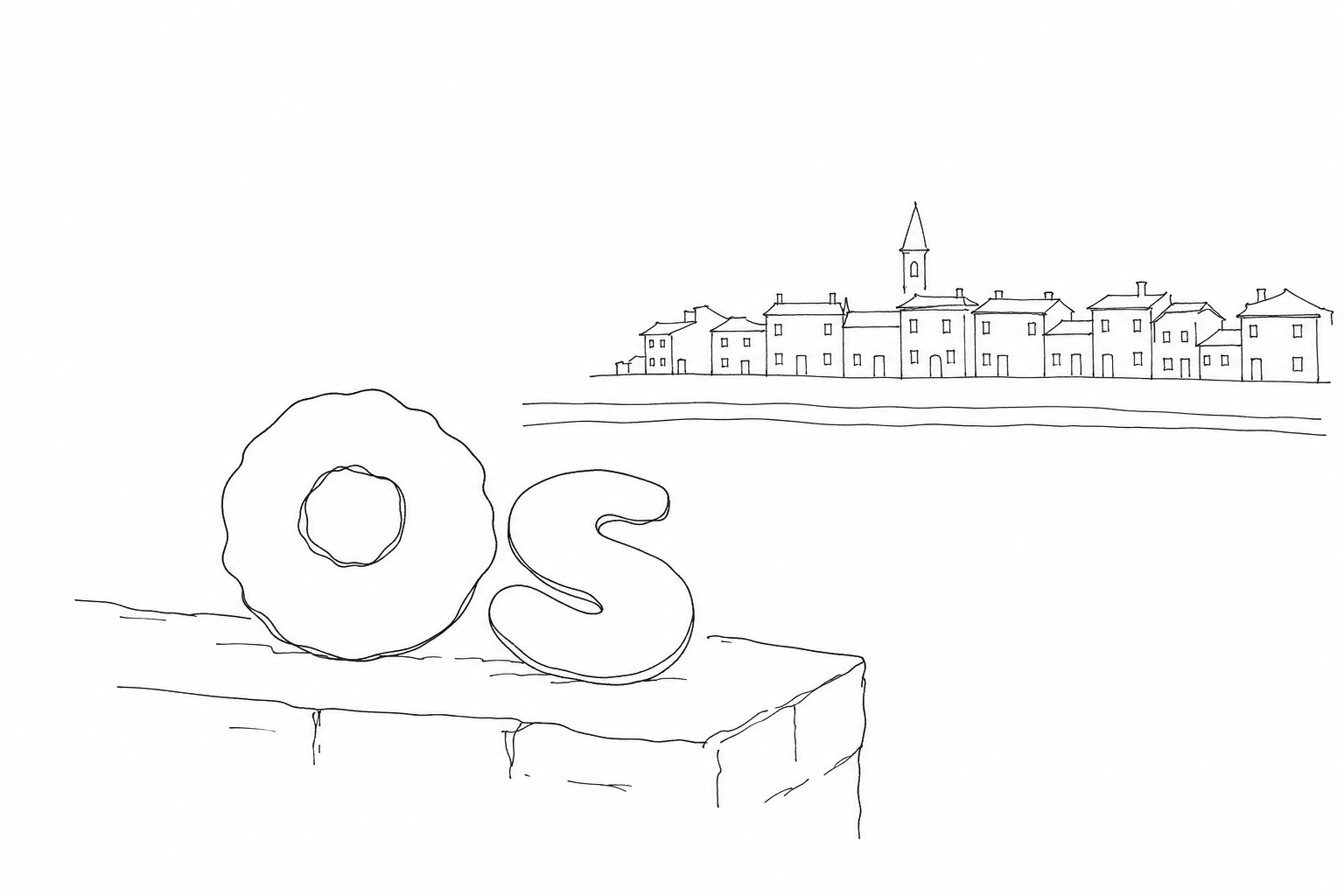
The term buranelli can create some uncertainty. In many contexts it generally indicates the island’s sweet biscuits; in others it mainly distinguishes the S-shaped variant, elongated and sinuous, more practical to stack and dip. The two shapes, ring and S, do not describe two unrelated recipes: they are close relatives, born from the same simple and resilient taste.
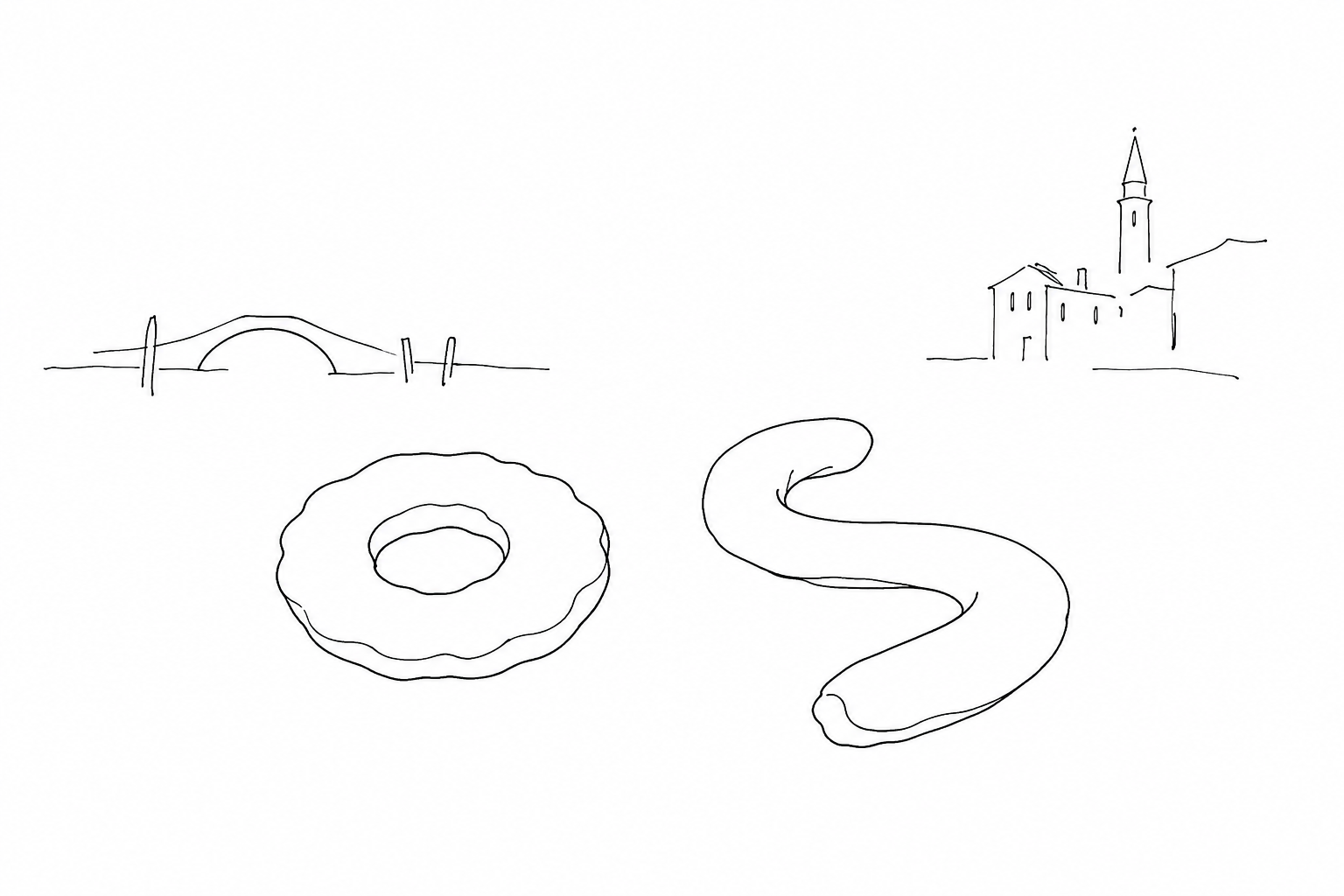
Asking for a bussolà, some bussolai or some buranelli therefore means entering a small local linguistic geography. The difference is not only aesthetic: the name chosen reveals family memory, shop habit and a daily relationship with an identity-defining sweet of Burano.
Simple ingredients, decisive flavor
The strength of the island’s biscuits lies in an essential recipe: flour, sugar, eggs, butter and clear aromas, often lemon zest, vanilla or a slight note of liqueur. It is not a light tea pastry, but a rich, compact dough, designed to provide energy and last.
At the bite, the surface offers a little resistance, then opens into a crumbly and dry texture, almost sandy, supported by the scent of butter and citrus. The ring or S shape does not only change the appearance: it helps even baking, makes the biscuit easy to handle and facilitates storage.
These characteristics explain the link with lagoon life. A product with little moisture, well baked and nourishing could be kept at home, taken on a boat, eaten on feast days or during moments of work. The decisive flavor therefore does not come from rare ingredients, but from generous proportions and from a practical function transformed into gastronomic memory.
Where to look for them and how to taste them in Burano
To try them in the right context, it is worth looking for the island’s bakeries and small pastry shops, especially along the route that leads from the pier toward via Baldassarre Galuppi and in the side calli. There is no need to chase a “secret” address: the best criterion is to look at the counter. The ring shapes, like thick doughnuts, indicate the bussolà; the S-shaped ones, easier to hold in the hand, are often called essi.
- Ask if they are homemade: it is a simple question, useful for distinguishing artisanal productions, gift packages and more tourist-oriented assortments.
- Taste them without rushing: first in small bites, to feel the crumbliness, then with coffee or dessert wine, pairings that soften their compactness.
- Compare the two shapes: the recipe may be similar, but thickness and surface change the perception of butter, egg and citrus zest.
- Always check the updated details: openings, availability and packaging may vary according to the season and daily production.
Tasting a bussolà in Burano is not just a sweet break, but a way to read the island through a minute and resilient tradition. Its dry texture, the scent of eggs and butter, the different shapes and the handed-down names tell of a concrete bond with local life. Looking for them in bakeries, observing them on trays, taking them away calmly allows you to add to the visit a detail less showy than the colorful houses, but just as capable of remaining in the memory.
Related Posts
Venetian fritole: Carnival seen from a fritter, not from a mask
History, taste and places of Venetian fritole: Carnival read from the counter of a pastry shop, among calli, campi and everyday memory.Venetian tramezzini: why in Venice they seem fuller, moister and more serious than elsewhere
An outline on Venetian tramezzini: shape, moisture, filling and counter culture in Venice bars.
Baccalà mantecato: why a fish from the North became one of the most Venetian flavors
History, technique and places of baccalà mantecato, from Nordic cod to Venetian tables.Questions Answered
What are bussolai and buranelli?
Traditional Burano biscuits made with simple, durable ingredients for portable energy.How do bussolai differ from buranelli?
Bussolai are ring-shaped while buranelli often have an S-shape, both sharing a common recipe.Why do these biscuits have a dry, compact texture?
Designed to withstand humidity and long boat days, making them practical and long-lasting.Where can you find authentic bussolai and buranelli in Burano?
In the island’s bakeries and pastry shops, especially along the pier to via Baldassarre Galuppi.
From the dish to the Venetian ritual
Which other flavours explain the link between the lagoon, preservation and everyday life?
 The Burano Lace Museum: the slow art that photographs of the colorful houses do not tellAn outline on the Burano Lace Museum, among history, gestures, rooms and mindful visiting.
 Moeche: what the lagoon’s soft-shell crabs are and why they are so sought afterWhat moeche are, when they are found, how they originate in the lagoon and why in Venice they are considered a rare...
 Sarde in saor: the sweet-and-sour dish that tells of sailors, preservation and the lagoonHistory, taste and everyday use of sarde in saor, a Venetian dish born among fishing, onions, vinegar and long preservation.
 Murano, Burano or Torcello: Which Venice Island Should You Choose?At some point while planning a trip to Venice, the same question almost always appears: is it worth visiting the islands too?...