

Moeche are one of the most distinctive foods of the Venetian lagoon: small crabs in the very brief moment of molting, when the carapace becomes tender and the boundary between fishing, season and craft becomes extremely subtle. They are not a folkloric curiosity, but the result of precise knowledge of the water, the salt marshes, the lunar cycles and the work of the moecanti. Understanding what they are means reading Venice also from its less visible edge: that of nets, crates, dawn markets and a cuisine born from attention to the right time.
What moeche are
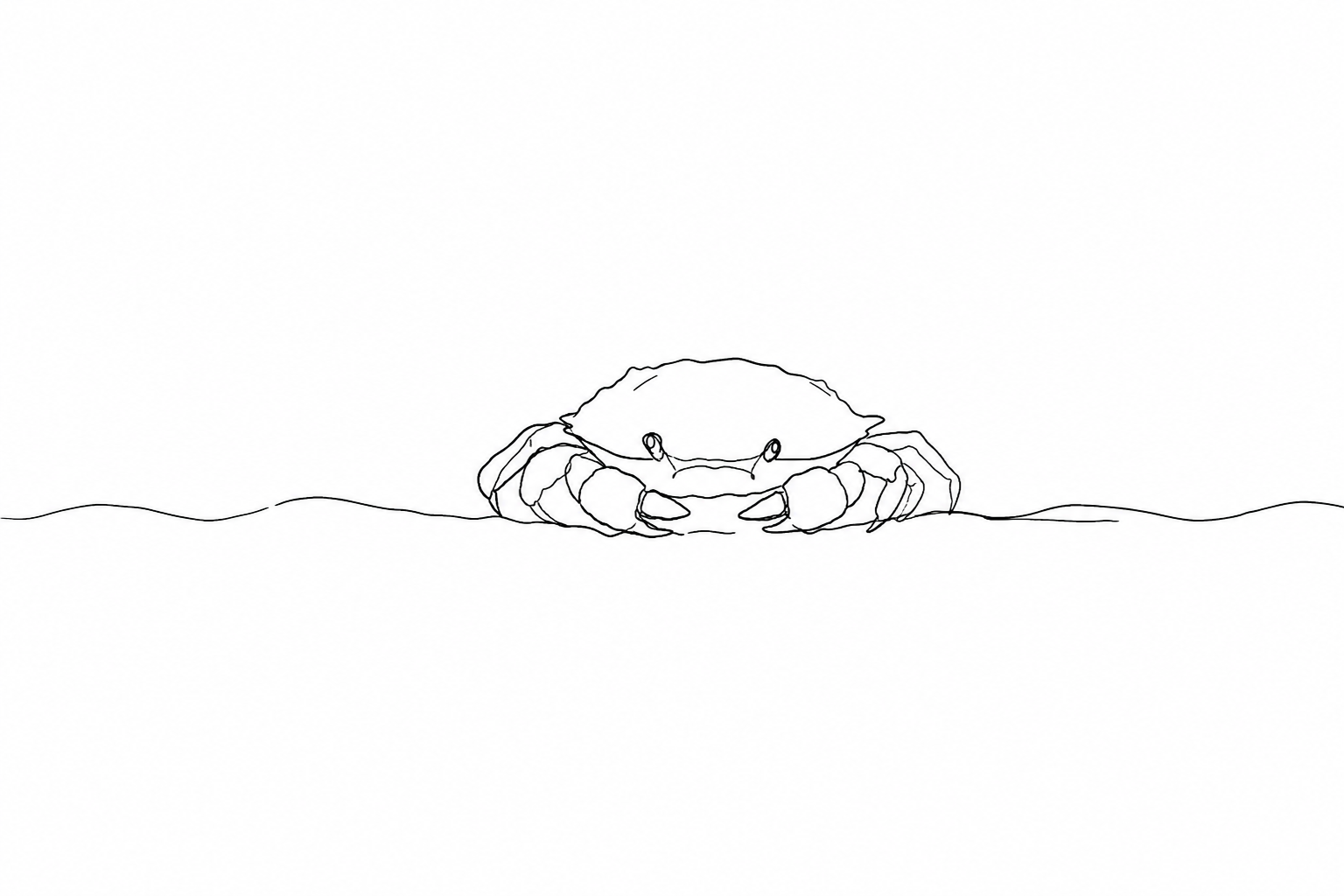
Moeche are small crabs from the Venetian lagoon caught at a very brief moment in their lives: molting. They are therefore not a separate species, but the lagoon crab, in particular Carcinus aestuarii, when it has just shed its old carapace and the new shell has not yet hardened.
The Venetian name refers precisely to this characteristic: moeca means “soft.” In this phase the crustacean is tender, almost entirely edible and very different from the common crab with a hard shell. The useful window lasts only a short time, because within a few hours or days the shell becomes resistant again.
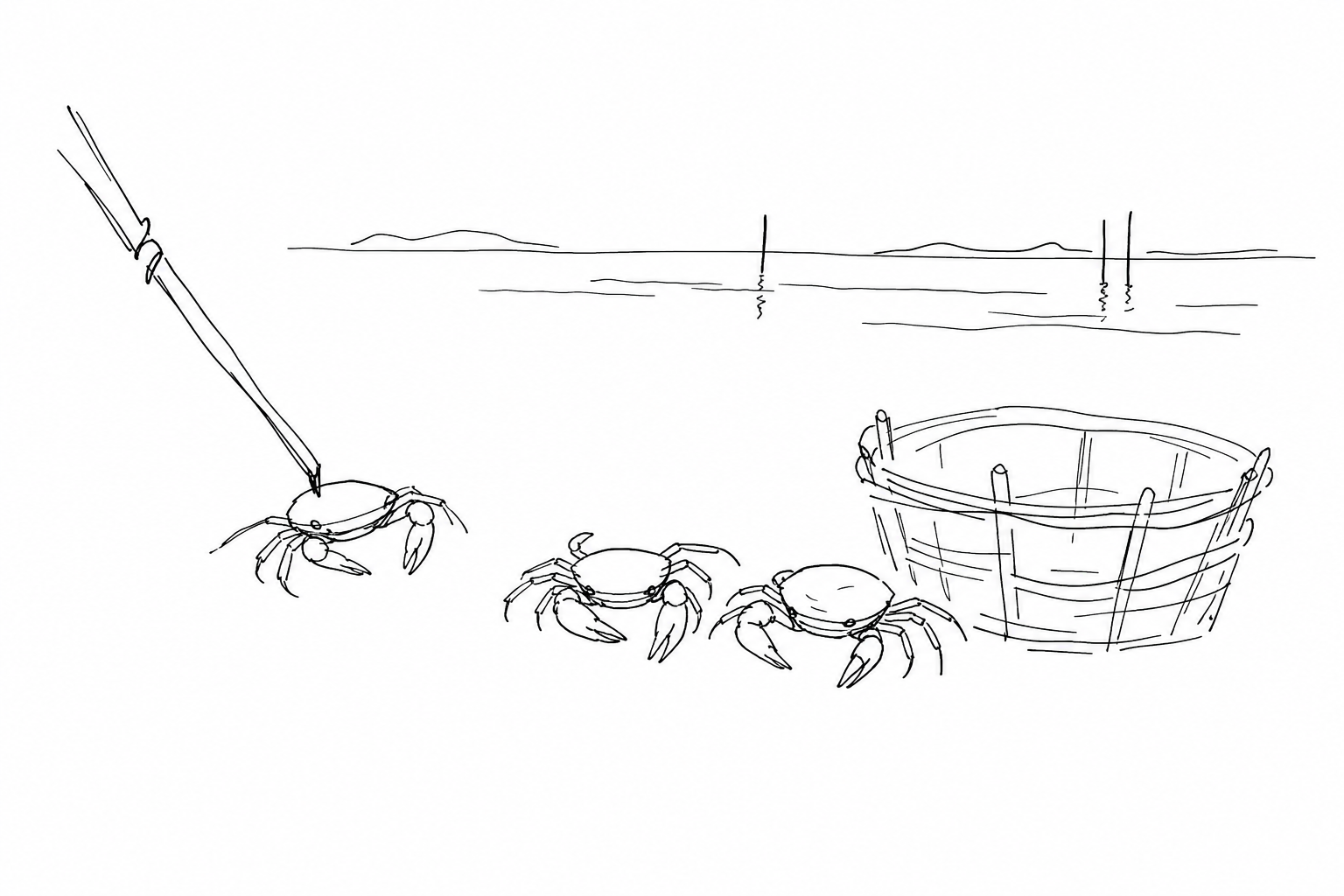
Recognizing them and bringing them to the table requires the work of the moecanti, specialized fishermen who select crabs close to molting and keep them in special baskets or tanks, checking them continuously. It is this combination of seasonality, speed and artisanal skill that makes moeche a rare and distinctive product of Venetian cuisine.
Lagoon, seasons and the work of the moecanti
The rarity comes first of all from the place: moeche exist as a gastronomic product only where the lagoon crab lives among shallow seabeds, salt marshes, tidal creeks and brackish canals. It is not enough to catch it; one must know how to read the water, temperature and animal behavior. For this reason the craft of the moecanti is tied to specific communities, in particular Chioggia, Burano, the Giudecca and other historic points of the Venetian basin.
The useful windows are brief: in spring and autumn the crabs enter the molting phase, but each specimen changes shell very quickly. The moecante selects the crabs caught, recognizes those about to become soft and keeps them in the vieri, crates or baskets immersed in lagoon water. The checking is continuous: a crab that is too immature is not yet a moeca, one checked too late becomes hard again.
This precision explains the price and the prestige. Moeche cannot be produced on command, nor do they preserve their best character for long. They depend on season, salinity, currents, manual experience and handed-down knowledge. They are sought after because they concentrate in a few bites a rare, fragile and highly localized lagoon knowledge.
Why they are worth so much in Venice
The value of moeche does not depend only on their flavor, but on the exact moment at which they are intercepted. The moecante recognizes the boni, that is, the specimens close to molting, and separates them from the others: it is a selection made by eye, with quick gestures, because a few hours change everything. Kept in the vieri, crates immersed in the lagoon, the crabs lose their hard carapace and become entirely edible before the new shell reforms.
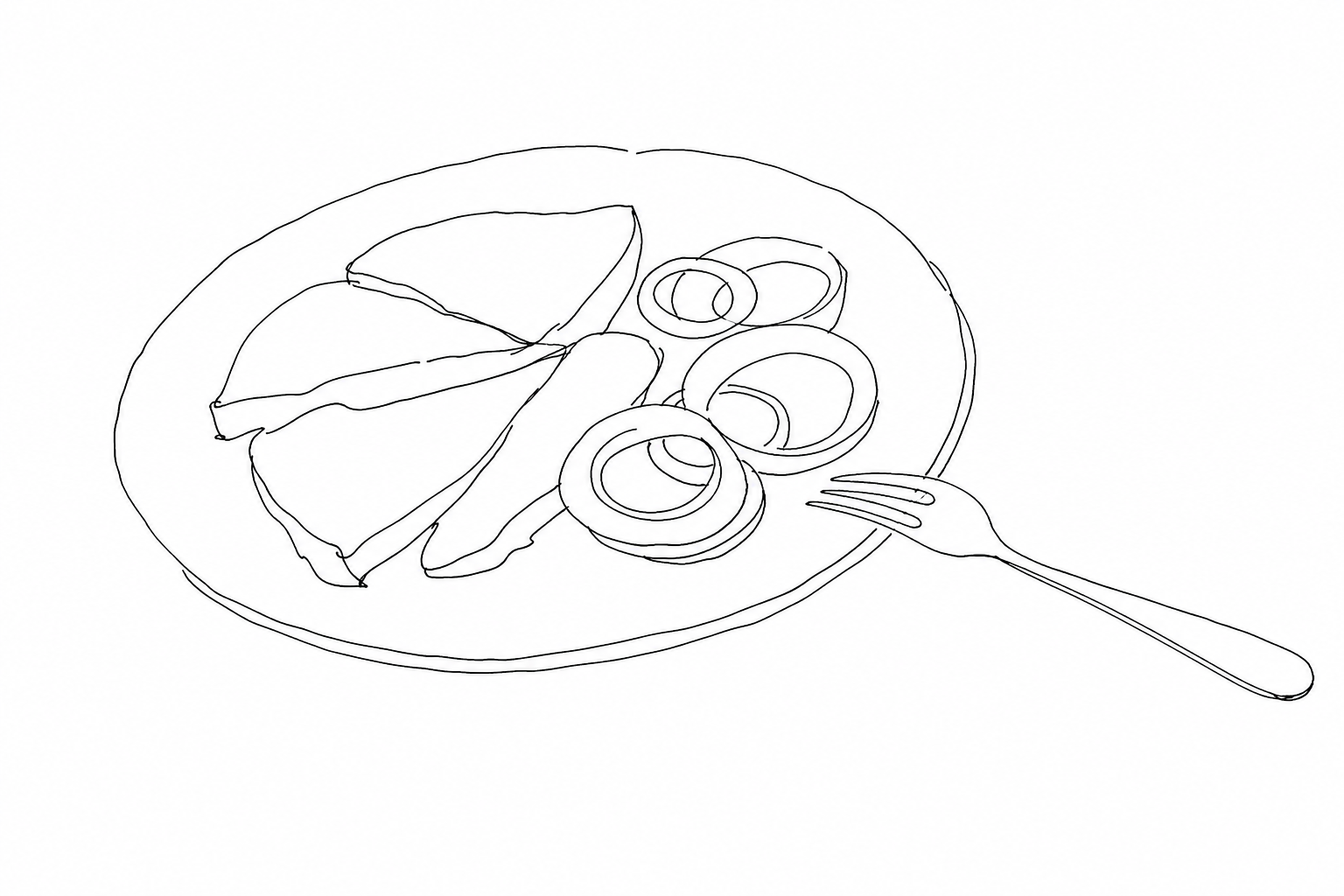
This very brief window explains their gastronomic value: creatures arrive in the kitchen to be cooked almost immediately, often floured or dipped in egg and fried, with a contrast between a thin crust, a sweet interior and a brackish taste. In Venice the price also tells of the risk: not every catch yields a result, some of the specimens anticipate or pass the molt, and the work requires continuous supervision. For this reason they are not a simple typical dish, but the result of a specialized lagoon technique.
How to recognize and taste them without misunderstandings
At the market counter or in a restaurant, the first check is simple: a true moeca does not have a hard carapace. The body must yield to light pressure, without the resistance typical of common crabs. This softness lasts a very short time after molting: this is why the offer appears concentrated in seasonal windows, especially in spring and autumn.
- Appearance: small, whole specimens, with a tender shell and fragile legs, not crustaceans that have already hardened.
- Name: do not confuse them with masanete, female crabs appreciated at another time, often linked to the presence of eggs.
- Cooking: the most straightforward preparation is quick frying, sometimes with flouring or dipping in egg, to leave the iodine flavor intact.
When tasted, moeche should be crispy on the outside and almost creamy inside, with a clear but not intrusive marine sweetness. Availability and origin should always be checked at the time.
Tasting moeche does not only mean trying a rare Venetian specialty, but encountering a concrete fragment of the lagoon and its rhythms. Their fame comes from the brevity of the season, the care needed to select them and a flavor that tells of brackish water, manual work and domestic customs. Seeking them out with awareness, distinguishing them from imitations or simplifications, allows one to approach Venice without shortcuts: not as a gastronomic postcard, but as an amphibious city, made of ancient gestures and details still alive.
Related Posts
Polenta and schie: small shrimp, lagoon cuisine and the memory of an everyday food
Origin, taste and meaning of polenta and schie, a small dish from the Venetian lagoon.Baccalà mantecato: why a fish from the North became one of the most Venetian flavors
History, technique and places of baccalà mantecato, from Nordic cod to Venetian tables.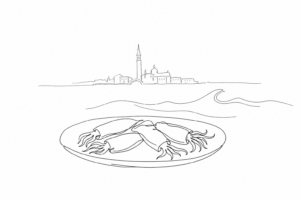
Cuttlefish in black ink: the Venetian dish that brings the lagoon directly to the plate
History, flavor and local context of cuttlefish in black ink, a Venetian dish linked to the lagoon, the markets and everyday tables.Questions Answered
What are moeche?
Small lagoon crabs caught during a brief soft-shell molting phase.Who catches the moeche and how?
Specialized fishermen called moecanti select and monitor crabs close to molting.Why are moeche so rare and valuable?
Their rarity comes from seasonality, environment, and manual skill required.How can you recognize and best taste them?
Soft shell crabs are quickly fried, tender inside with a marine sweetness.
More flavours for understanding Venice
Want to move from this recipe to the stories still eaten in bacari and Venetian homes?
 Baccalà mantecato: why a fish from the North became one of the most Venetian flavorsHistory, technique and places of baccalà mantecato, from Nordic cod to Venetian tables.
 Why in Venice They Say “ombra”: history and legend of the most Venetian glass of wineOrigin, legend and everyday use of the ombra, the glass of wine linked to Venetian bacari.
 Risi e bisi: why a simple dish tells the story of spring in the SerenissimaHistory, season and everyday gesture of a Venetian dish linked to April 25 and the lagoon.
 Rialto at dawn: the fish market before the photographs arriveRialto at dawn told through work: stalls, crates, voices, lagoon and respect before the tourist gaze.